Why Sellers Should Do a Pre-Listing Home Inspection
Thinking of selling your home? Worried there may be red flags once an offer is made and the buyer's inspector gets involved? A pre-listing home inspection is a small investment that can have a big payoff when it's time to negotiate.
When most sellers think about home inspections, they picture a nerve-wracking week after accepting an offer, waiting to hear what issues a buyer's inspector will uncover. But what if you could flip that script entirely? What if, instead of reacting to problems, you could get ahead of them?
Knowing what a buyer's inspection might reveal gives you a powerful advantage. It lets you address safety concerns and repair issues on your own timeline—with your own contractors—before a buyer ever steps foot in the door. You'll have more control over how repairs are completed and avoid the stress of last-minute surprises.
The Traditional Way Often Leads to Surprises
Here's how the typical home sale unfolds: You list your home, accept an offer, and then hold your breath during the buyer's inspection period. When the inspection report comes back, you're seeing issues for the first time alongside the buyer. You're now negotiating from a defensive position, often feeling pressured to make concessions or cover repair costs you didn't anticipate.
Deals can fall apart entirely during this phase when unexpected issues surface and buyers get cold feet.
A Different Approach: Preparation Over Reaction
I believe preparation is the key to success with anything in life, and selling your home is no exception. When you invest time and effort upfront before launching your listing to the market, you're not just avoiding surprises—you're fundamentally changing the power dynamic of your sale.
With a pre-listing inspection, you get to see your home through a buyer's eyes before they do. You learn exactly what issues exist, and more importantly, you get to decide how to handle them on your own timeline, not under the pressure of a ticking contract clock.
What's a Pre-Listing Home Inspection?
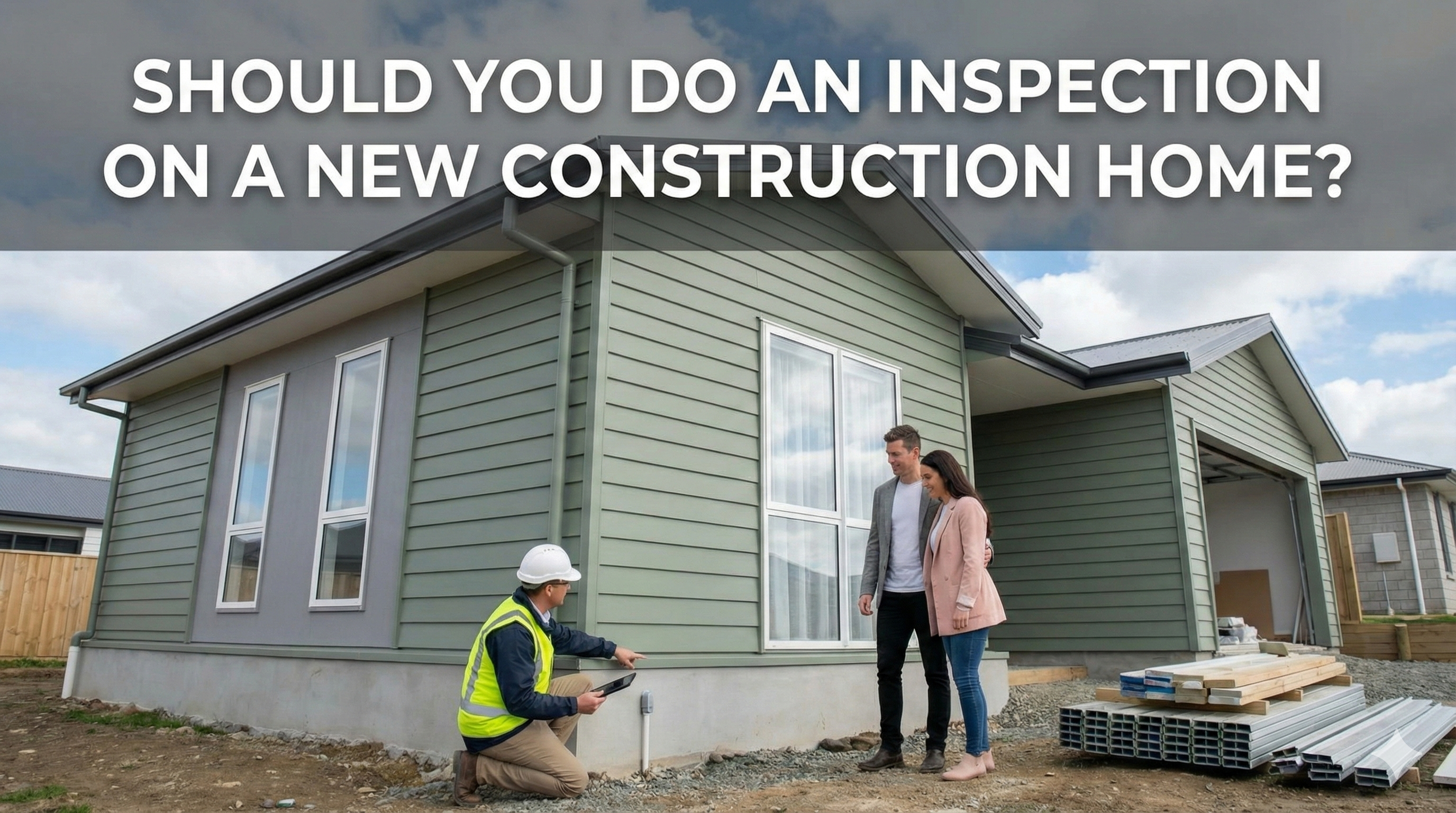
A pre-listing home inspection is an inspection performed by the seller before listing the property for sale. You hire and pay for a licensed home inspector—typically around $600 to $800 for a 2 to 3 hour inspection in New Jersey—to evaluate your home's interior and exterior, then receive a written report detailing the condition of the property.
That report can then be shared with potential buyers, giving them peace of mind and showing that you're a transparent, proactive seller.
A licensed New Jersey home inspector typically reviews:
- Roof, attic, and foundation
- Heating, cooling, and plumbing systems
- Electrical systems and panels
- Walls, ceilings, windows, and doors
- Appliances and general safety items
- Drainage, grading, and exterior structures
The process usually takes 2 to 3 hours, and you'll receive a detailed written report with photos and recommendations.
The Real Benefits of a Pre-Listing Inspection
1. Find and Fix Issues Before Buyers Do
When you know what's wrong before you list, you can decide what to fix—and what to disclose. Minor repairs like leaky faucets, reversed outlet polarity, or loose downspouts are easy and inexpensive fixes. But small issues like these can make a nervous buyer back out or demand price reductions.
By handling them upfront, you prevent deals from falling apart over simple maintenance items and show buyers your home has been well cared for.
2. Price Your Home with Confidence
You can't price your home accurately if you don't know its true condition. If your roof, plumbing, or foundation needs work, it's better to know now than have a buyer discover it later. A pre-listing inspection allows you to price your home realistically and avoid being "educated" about your property during negotiations.
When you go to market with full knowledge of your home's strengths and weaknesses, your pricing strategy is stronger—and more defensible. This is the kind of data-driven approach that helps sellers make better decisions with clarity and confidence.
3. Avoid Price Renegotiations Later
If a buyer's inspection uncovers unknown issues after you've already accepted an offer, it can lead to price renegotiations or credits that reduce your profit. A pre-listing inspection helps eliminate these surprises that could derail your deal.
When sellers conduct pre-inspections and address smaller issues upfront, they enter negotiations with documentation and context. This preparation can mean the difference between a deal-killing repair request and a manageable negotiation that keeps the transaction moving forward.
4. Build Buyer Confidence and Encourage More Offers
When you provide a pre-listing inspection report, buyers feel more comfortable submitting strong, clean offers—often without inspection contingencies—because they already have reliable information about the home's condition. Your home stands out as being from a prepared, transparent seller.
This confidence can lead to stronger offers and fewer contingencies. In competitive markets, that transparency can help spark multiple offers and stronger final sale prices.
5. Meet Your Disclosure Obligations
In New Jersey, sellers must disclose known material defects that could affect value or safety. A pre-listing inspection helps you meet those legal disclosure requirements confidently. It also gives you documentation showing what you knew (and didn't know) about your home's condition—protection that can be valuable long after closing.
6. Reduce Failed Deals and Protect Your Timeline
Every day your home sits on the market after the first few weeks, buyer perception changes. They start to wonder what's wrong with it. When deals fall apart at inspection and you have to relist, those extra days on market often translate to lower offers later. A pre-listing inspection helps you avoid that scenario entirely by reducing surprises and keeping deals on track.
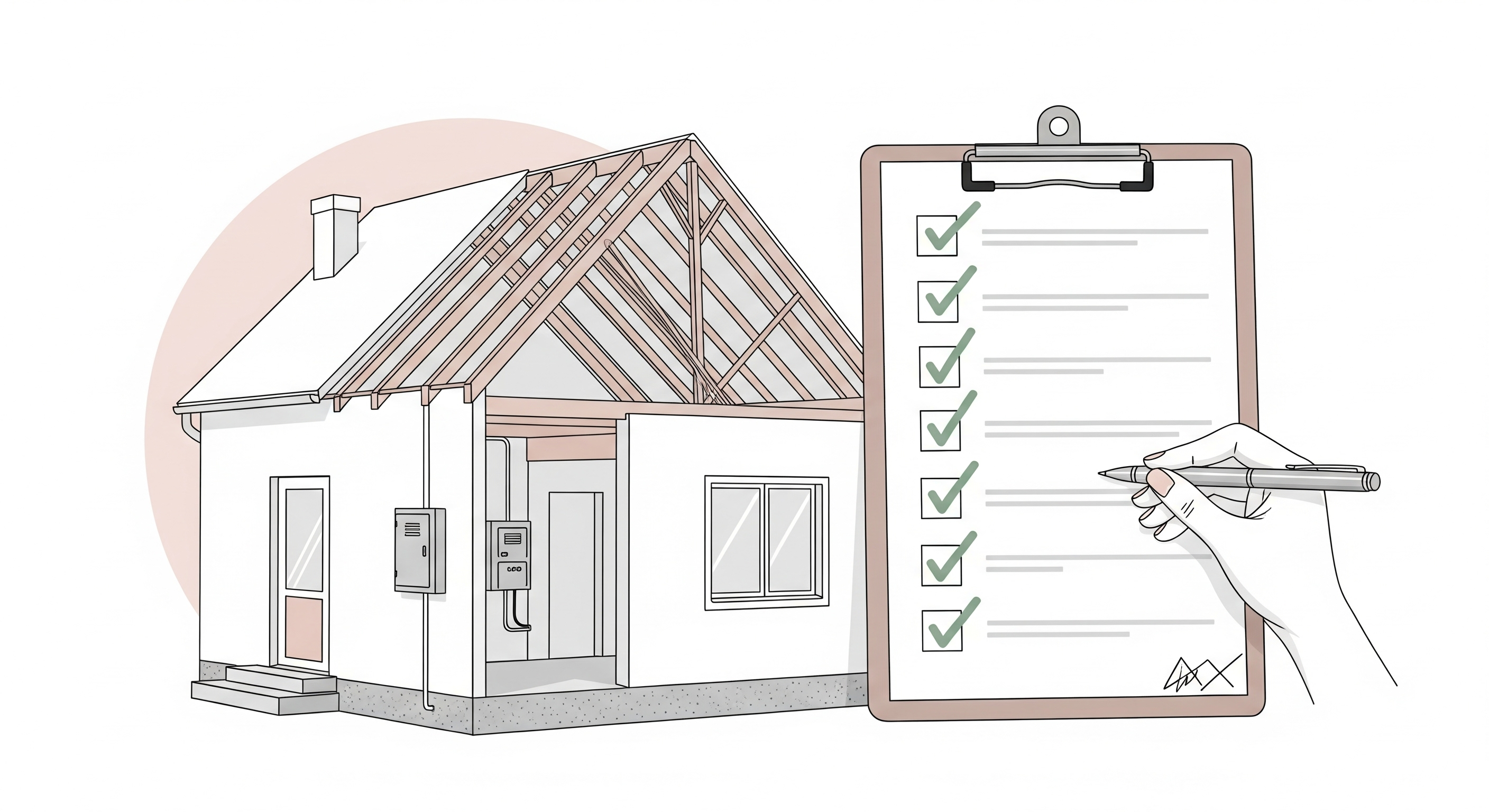
Pre-Listing Inspection Checklist
Before your home inspection, it's smart to handle simple maintenance and safety tasks. Here's a checklist of common items to address to help your inspection—and sale—go smoothly:
Exterior and Foundation:
- Clean the gutters and downspouts. Ensure rainwater is flowing freely and not overshooting during heavy rains.
- Install downspout extensions to divert water away from the foundation.
- Ensure the soil around your foundation slopes away for at least six feet.
Safety Items:
- Check that all interior and exterior handrails and stair guards are properly anchored and secure.
- Make sure the deck railing is stable and not loose.
Electrical:
- Have an electrician do a quick system check:
- No double taps in the main electric panel
- No missing junction box covers in basements or attics
- No loose or poorly routed wiring
Plumbing:
- Check that toilets, faucets, and showerheads are securely mounted and not leaking.
General:
- Verify all windows and doors open, close, and lock properly.
- Ensure free and clear access to the attic, crawlspace, garage, mechanical equipment, and electrical panels.
- Remove clutter and stored items so the inspector can easily view key areas.
Taking care of these items ahead of time will make the inspection go more smoothly, reduce the number of issues on the report, and help create a positive impression with buyers.
What About the Cost?
A pre-listing inspection is an upfront investment of around $600 to $800 for most homes in New Jersey. But consider the alternative: when a deal falls apart, you've lost weeks of marketing time, you're back on the market with more days showing, and you'll likely face renewed negotiations with reduced leverage.
The peace of mind and strategic advantage of knowing your home's condition before listing makes this a smart investment—not just financially, but for reducing stress throughout the process. A pre-listing inspection is a minimal investment with a major return.
Is a Pre-Listing Inspection Right for You?
One common misconception is that if you do a pre-listing inspection, you're obligated to fix every issue found. That's not true at all. The inspection simply gives you information and options. Some issues you might choose to fix, others you might address with a credit or price adjustment, and some you might simply disclose knowing they're minor or acceptable in your home's age and condition. The key difference is that you're making these decisions strategically, not reactively under pressure from a buyer who's threatening to walk away.
A pre-listing inspection is most effective when it's part of a comprehensive preparation strategy that also includes staging, strategic pricing based on market data, and targeted marketing to reach the buyers most likely to appreciate your home. These elements work together to give you control, confidence, and clarity throughout your sale.
This approach makes the most sense for sellers who value being prepared, appreciate data-driven decisions, and want to minimize uncertainty. It's especially valuable if your home is older, if you're aware of potential issues but aren't sure how serious they are, or if you simply want to enter the market with complete transparency. Even for relatively new homes, having a clean inspection report to share with buyers can be a powerful differentiator.
Getting started is straightforward:
- Hire a licensed, reputable home inspector (your real estate agent can recommend trusted local professionals)
- Schedule the inspection early, ideally before photography or listing prep
- Review the report with your agent to decide which repairs or disclosures make the most sense
- Keep documentation for any repairs or upgrades you complete
Sellers who embrace this preparation-focused approach consistently report feeling more confident, more in control, and less stressed throughout the process. They know what to expect, they have a plan, and can focus on their next chapter rather than worrying about surprises. You'll know your home's true condition, handle repairs on your terms, and avoid unwanted surprises during negotiations. Buyers notice—and reward—that level of transparency.
If you're considering selling and want to discuss whether a pre-listing inspection makes sense for your specific situation, I'm happy to review your home and talk through the strategy that will work best for you. Because at the end of the day, this is about helping you make better decisions with clarity and confidence—not just getting a deal done, but getting the right deal done, the right way.